Ellis Keller · 2 September 2026
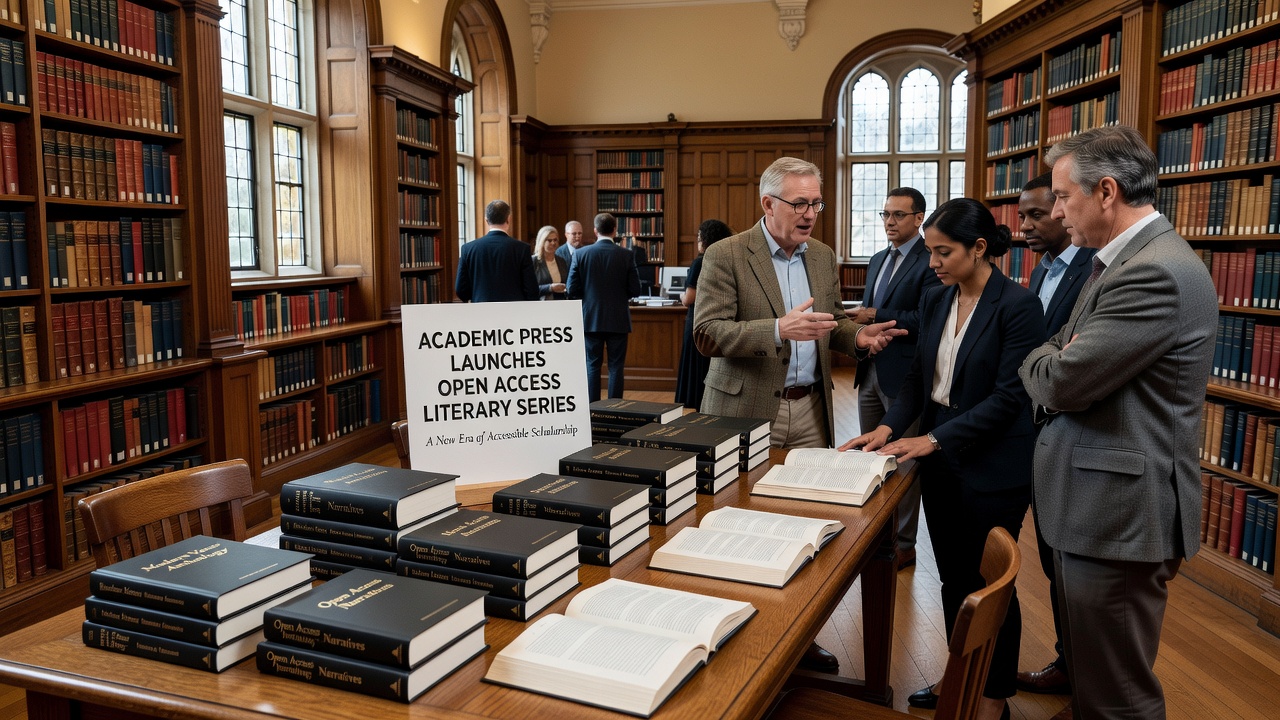
The academic publishing landscape is witnessing a transformative shift toward greater accessibility as a respected university press unveils a dedicated open access series focused on literary and cultural scholarship. This initiative responds to increasing calls from researchers and institutions for barrier-free dissemination of high-quality monographs and edited volumes in the humanities.
Series Structure and Publication Goals
The series will prioritize peer-reviewed works examining contemporary fiction, the history of the book, postcolonial narratives, and digital reading practices. Editorial teams drawn from major universities will oversee submissions, with an initial target of ten titles released each year under Creative Commons licenses. Funding from institutional partners eliminates author fees, ensuring that economic factors do not limit participation from scholars worldwide. Forthcoming volumes include studies on modernist poetry and the evolution of independent publishing houses, accompanied by supplementary digital resources such as annotated bibliographies and author interviews.
Proposals are actively solicited across disciplines, with an emphasis on both established voices and emerging researchers. The absence of paywalls is projected to expand global readership dramatically compared with conventional subscription models, supporting libraries, classrooms, and independent readers interested in literary analysis.
Advantages for Scholars and Long-Term Impact
Researchers anticipate higher citation rates and broader interdisciplinary dialogue as a direct result of unrestricted access. Students in resource-limited regions gain immediate entry to essential texts, aiding curriculum development and independent study. Permanent digital archiving through library consortia will safeguard the materials for future generations while fostering collaborative projects across borders.
The press also plans multimedia enhancements, including interactive timelines of literary movements and recorded discussions with contributors. Observers note that this model aligns with wider trends in open scholarship, potentially encouraging other publishers to adopt similar frameworks and reshaping how literary news reaches diverse audiences.